- Today
MNPT vs. FNPT: Key Differences, Thread Types, and Industrial Applications
- Elizabeth Kinsley
- 0 comments
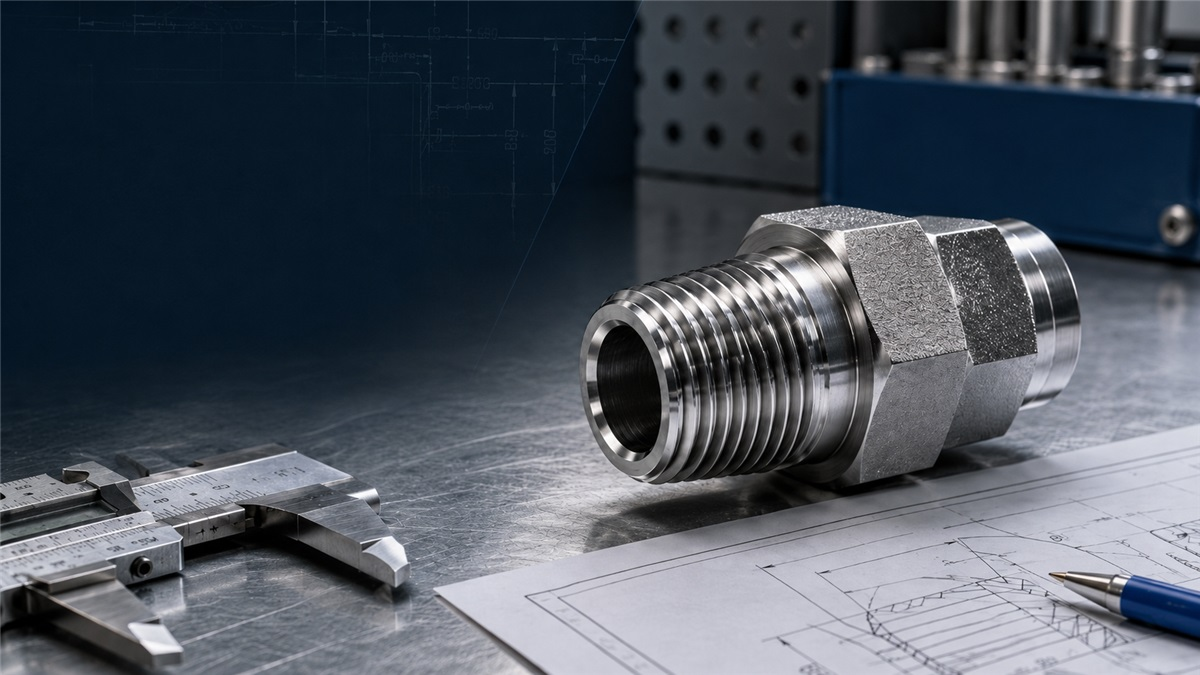
Summary: Understanding MNPT vs. FNPT is essential when selecting threaded pipe fittings for industrial piping systems. Both use the National Pipe Taper (NPT) thread standard, but they differ in where the threads are located. MNPT refers to male threads on the outside of a pipe or fitting, while FNPT refers to female threads inside a fitting. Knowing how these connections work helps prevent thread mismatches, simplifies fitting selection, and supports reliable threaded connections in industrial applications.
Introduction
Threaded connections are commonly used in industrial piping systems because they provide a practical way to join pipes, fittings, valves, and other components. However, selecting the correct thread type is important for ensuring that connected components fit together properly.
When reviewing product catalogs or technical specifications, buyers often encounter terms such as MNPT, FNPT, and NPT. Although these abbreviations are closely related, they describe different aspects of a threaded connection.
The main distinction in the MNPT vs. FNPT comparison is thread location. MNPT threads are located on the outside of a component, while FNPT threads are cut inside a fitting or connection.
Understanding this difference helps buyers select compatible components, avoid ordering errors, and identify the correct fittings for industrial piping applications.
What Is MNPT?
MNPT stands for Male National Pipe Taper. It describes an NPT thread cut externally around the outside of a pipe end, nipple, or fitting.
The threads extend outward from the component, allowing it to screw into a female-threaded connection.
MNPT threads are commonly found on:
Pipe nipples
Threaded pipe ends
Male adapters
Certain valve and instrument connections
The tapered design is an important feature of NPT threads. As the male and female threads tighten together, the taper creates an interference fit that helps form a seal. Thread sealant, such as PTFE tape or an appropriate pipe joint compound, is generally used to help seal the connection.
MNPT is particularly useful when a pipe or component needs to connect to a fitting with an internal NPT thread.
What Is FNPT?
FNPT stands for Female National Pipe Taper. It refers to an NPT thread cut inside a fitting's opening or bore.
Unlike MNPT, the threads are located internally. This allows the female-threaded component to receive a male-threaded pipe or fitting.
FNPT threads are commonly found in:
Pipe couplings
Threaded elbows
Threaded tees
Valve inlets and outlets
Female adapters
FNPT connections are designed to receive corresponding MNPT threads. When the two components are compatible in size and thread specification, they can be tightened together to form a threaded connection.
The female side is not simply a different thread standard. It is the internal counterpart of the same NPT taper thread system.
MNPT vs. FNPT: Key Differences
The main difference between MNPT and FNPT is where the threads are located and how the components connect.
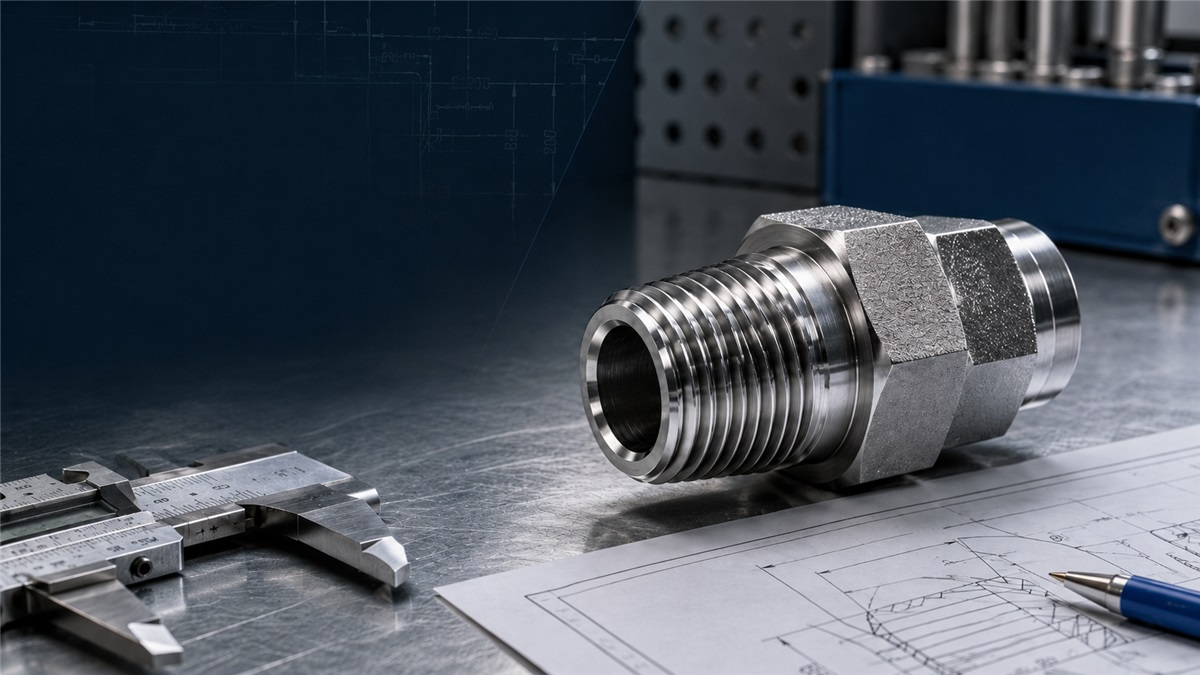
In simple terms, MNPT is the externally threaded side, while FNPT is the internally threaded side.
Both are part of the same NPT thread system. They are designed to work together rather than represent two competing thread standards.
MNPT vs. NPT: Is There a Difference?
MNPT vs. NPT is another common comparison in industrial pipe and fitting catalogs.
NPT stands for National Pipe Taper. It identifies the thread standard, which uses tapered threads to help create a seal between compatible components.
MNPT simply specifies that the NPT thread is male.
For example:
NPT: Identifies the National Pipe Taper thread standard without explicitly specifying the connection's gender.
MNPT: Identifies an externally threaded male NPT connection.
FNPT: Identifies an internally threaded female NPT connection.
When a supplier lists a component simply as NPT, buyers may need to confirm whether it has male or female threads before ordering.
Using MNPT or FNPT in a specification removes this ambiguity and makes it easier to identify the required connection.
FNPT vs. NPT: What Should Buyers Know?
The same distinction applies when comparing FNPT vs. NPT.
FNPT is not a separate thread standard. It is the female version of an NPT connection.
A fitting described as FNPT has internal tapered threads designed to receive a compatible MNPT component.
For example, a female-threaded coupling may connect two externally threaded pipe ends when both connections have compatible dimensions and specifications.
When ordering fittings, buyers should verify:
Whether the connection is male or female.
The nominal pipe size.
The thread standard.
The material and pressure requirements.
Whether the fitting is compatible with the intended application.
Checking these details before purchasing helps avoid mismatched components and unnecessary installation delays.
How Do MNPT and FNPT Connections Work?
MNPT and FNPT connections work together through their complementary thread positions.
The male threads enter the female-threaded opening. As the components tighten, the tapered thread geometry creates increasing interference between the mating surfaces.
A suitable thread sealant helps fill the small gaps between the threads and supports leak-resistant assembly.
For a typical connection:
Confirm that the male and female components have matching NPT sizes and compatible specifications.
Inspect the threads for damage, contamination, or visible defects.
Apply an appropriate thread sealant to the male threads according to the manufacturer's instructions.
Insert the male-threaded component into the female fitting.
Tighten the connection using the appropriate tools and assembly procedure.
Inspect and test the connection according to the system's requirements.
The correct assembly procedure depends on component material, size, service conditions, and applicable standards.
Which Side Gets Thread Sealant?
Thread sealant is generally applied to the male MNPT threads rather than the female FNPT threads.
PTFE tape should be wrapped in the tightening direction so it does not unwind during assembly. An appropriate pipe joint compound may also be used when permitted by the application and manufacturer.
The female side is generally left without separately applied sealant. However, the sealant manufacturer's instructions and applicable installation requirements should always be followed.
How Many Threads Should Engage?
Thread engagement depends on the fitting size, material, manufacturing tolerances, and assembly procedure.
The B&W Pipe reference guide identifies approximately 3.5 to 6 engaged threads as a general reference for a properly assembled NPT connection after hand-tightening and wrench tightening.
This should not be treated as a universal acceptance criterion. Applicable standards, manufacturer instructions, and project specifications should determine the required engagement.
Over-tightening can damage threads or crack fittings, particularly when working with more brittle materials.
Common Thread Abbreviations Used in Industrial Piping
Industrial pipe catalogs may use several abbreviations to describe male and female NPT connections.
Understanding these terms helps buyers interpret product specifications.
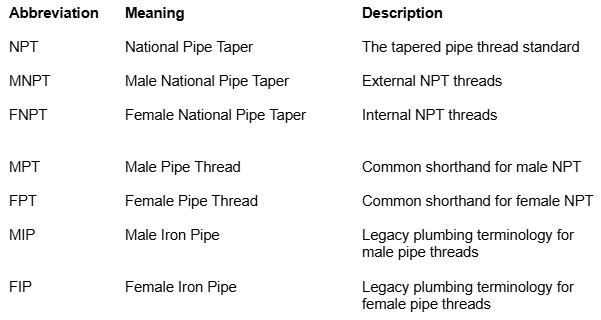
Although MPT and FPT are commonly used interchangeably with MNPT and FNPT in catalogs, buyers should verify the actual thread standard. Similar abbreviations do not automatically guarantee compatibility across different thread systems.
How to Choose Between MNPT and FNPT
The choice between MNPT and FNPT depends on the component you are connecting.
A simple way to determine which fitting you need is to inspect the existing connection.
Choose FNPT when:
The existing pipe or fitting has external male threads.
You need a coupling with internal threads.
You are connecting to a male-threaded pipe nipple or adapter.
Choose MNPT when:
The existing component has internal female threads.
You need a male adapter or threaded pipe end.
You are connecting to a female-threaded valve, coupling, or fitting.
The most important rule is that a compatible male connection must pair with a female connection.
Two MNPT components cannot connect directly because both have external threads. Similarly, two FNPT components cannot connect directly because both have internal threads.
If the connection types do not match, an appropriate adapter or coupling may solve the problem.
What Happens When MNPT and FNPT Connections Do Not Match?
Thread mismatches are common purchasing and installation issues, particularly when multiple suppliers or manufacturers are involved.
For example, ordering two male-threaded adapters when a male-to-female connection is required will prevent direct assembly.
The solution is generally to identify the mismatch and select the appropriate connecting component.
Common options include:
Male-to-Female Adapter
An adapter with male threads on one end and female threads on the other can connect components with otherwise incompatible thread genders, provided their sizes and standards match.
Hex Bushing
A hex bushing can connect a larger female-threaded opening to a smaller male-threaded component. It is commonly used when a connection also requires a change in nominal size.
Reducing Coupling
A reducing coupling has female threads on both ends in different sizes. It is useful when connecting two male-threaded components of different nominal sizes.
Before selecting an adapter, verify the thread standard, nominal size, pressure rating, and material compatibility.
Where Are MNPT and FNPT Used in Industrial Piping Systems?
Both thread types are used throughout industrial piping systems, particularly in smaller connections where threaded components are appropriate.
Instrument Connections
MNPT and FNPT threads are commonly used in instrument connections, including pressure gauges and other measurement equipment. The thread gender depends on the instrument connection and the fitting used to connect it to the piping system.
Sample Lines
Sample lines may use threaded connections to connect tubing adapters, valves, and other components. Matching male and female threads helps ensure that the selected fittings can be assembled correctly.
Utility Piping
Industrial utility systems may include threaded couplings, elbows, tees, and adapters. Both MNPT and FNPT connections can be used depending on the piping arrangement.
Equipment and Valve Connections
Valves and equipment may have internal FNPT ports designed to receive male-threaded adapters or pipe connections.
The suitability of threaded connections depends on the system's operating pressure, temperature, fluid, material, and applicable engineering requirements. They should not be selected solely because the thread sizes appear compatible.
How B&W Pipe Supports Industrial Threaded Fitting Requirements
Selecting the correct threaded fitting is an important part of assembling a compatible piping system. Buyers need to consider thread type, size, material, and application requirements before placing an order.
B&W Pipe, Inc. supplies industrial pipe and fittings for applications across the energy, utility, and infrastructure sectors.
Its threaded fittings inventory includes male and female NPT components used in instrument connections, sample lines, and utility piping. Having access to both connection types helps buyers source the components required for compatible threaded assemblies.
B&W Pipe also supplies carbon steel pipe, API 5L line pipe, and other piping products for industrial applications.
When specifying threaded fittings, buyers should provide the required thread gender, nominal size, material, and application details. This helps ensure that the selected components are appropriate for the intended connection.
For assistance with industrial pipe and fitting requirements, visit B&W Pipe or contact its team at (281) 391-6688 or sales@bwpipe.biz.
Frequently Asked Questions
1. What is the main difference between MNPT and FNPT?
MNPT refers to male NPT threads located on the outside of a pipe or fitting. FNPT refers to female NPT threads located inside a fitting. Both use the same National Pipe Taper thread standard but have opposite connection genders.
2. Is MNPT the same as NPT?
MNPT is the male version of the NPT thread standard. NPT identifies the National Pipe Taper thread system, while MNPT specifically indicates that the threads are external.
3. Is FNPT the same as NPT?
FNPT is the female version of NPT. It uses the same tapered thread standard but has internal threads designed to receive a compatible male NPT connection.
4. Can MNPT connect directly to MNPT?
No. Two male-threaded components cannot connect directly because both have external threads. A compatible female coupling or adapter is required between them.
5. Can FNPT connect directly to FNPT?
No. Two female-threaded components cannot connect directly because both have internal threads. A suitable male-to-male adapter is needed to join them.
6. Which side of an NPT connection receives thread sealant?
Thread sealant is generally applied to the male MNPT threads before assembly. PTFE tape or an appropriate pipe joint compound can help seal the connection when used according to the manufacturer's instructions.
7. What is the difference between MPT and MNPT?
MPT and MNPT are commonly used interchangeably to describe male NPT threads. However, buyers should confirm the actual thread standard in the product specification rather than relying on abbreviations alone.
8. Does B&W Pipe supply both MNPT and FNPT fittings?
Yes. B&W Pipe's threaded fittings inventory includes both male and female NPT components for applications such as instrument connections, sample lines, and utility piping.
9. How can I identify whether a fitting is MNPT or FNPT?
Inspect the connection. If the threads are visible on the outside of the component, it is male (MNPT). If the threads are cut inside the opening or bore, it is female (FNPT).
10. Are MNPT and FNPT suitable for every industrial piping application?
No. Although NPT connections are widely used, their suitability depends on operating pressure, temperature, fluid characteristics, material, and applicable engineering standards. Some applications require other connection types, such as flanged, welded, or different threaded connections.